

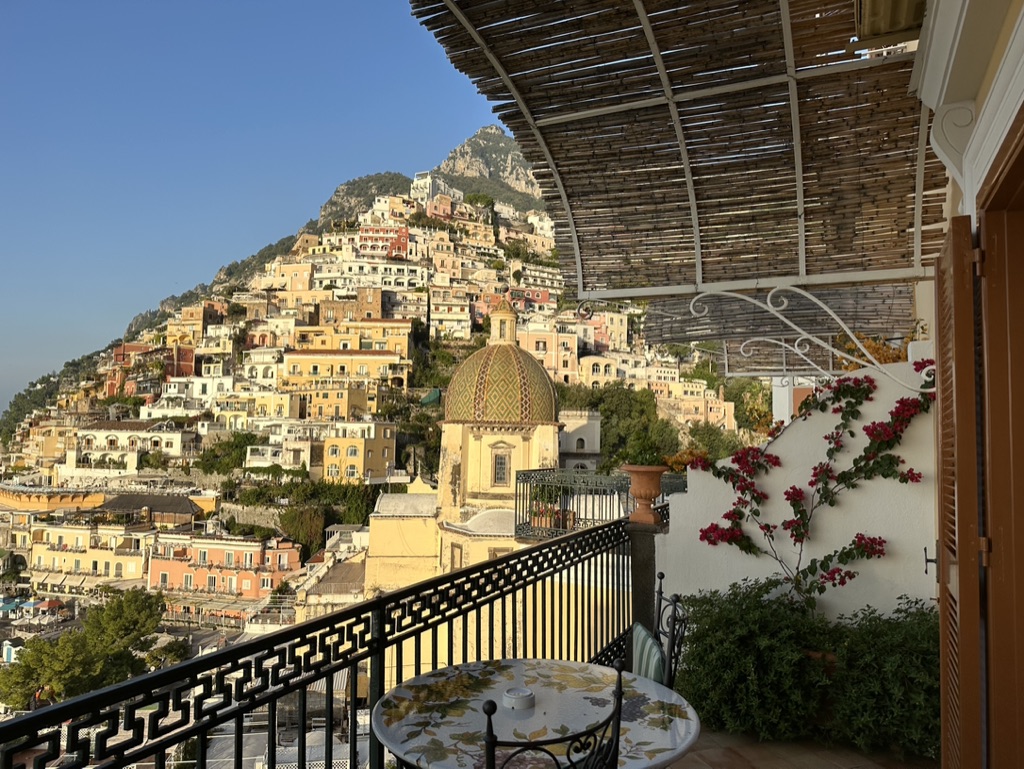
Europe offers an extraordinary variety of destinations, yet Italy holds a special appeal for travelers seeking cultural richness and memorable experiences. From the Renaissance architecture of Florence to the sunlit villages along the Amalfi Coast, each region reveals a distinct personality shaped by centuries of history. Italy’s celebrated cuisine and enduring traditions invite visitors to experience daily life beyond the familiar tourist attractions.
Visiting Italy on your next Europe vacation presents an opportunity to explore a destination where history remains part of everyday life. Understanding the country’s regional differences allows you to create an itinerary that reflects your interests while maintaining a comfortable pace.
Italy Offers an Exceptional Addition to a European Itinerary
Italy’s geographic position makes it a natural destination for travelers exploring several European countries. International rail connections link northern Italian cities with destinations in Switzerland, Austria, and France, while major airports provide convenient access to other European capitals. These transportation options allow visitors to incorporate Italy into a broader journey.
However, Italy deserves more than a brief stop between destinations. Its regional diversity rewards travelers who spend several days exploring one area rather than moving between cities each morning. A carefully considered itinerary might combine the cultural attractions of Rome with the quieter atmosphere of Tuscany, allowing time to appreciate each destination.
Travelers should also consider how transportation schedules influence their experience. An Italy trip planning service can coordinate transfers and accommodations while developing a custom itinerary that complements the rest of a European vacation.
Rome Introduces Travelers to Italy’s Remarkable History
Few European cities offer the historical depth of Rome. Ancient monuments stand alongside Renaissance palaces, creating an urban landscape where different periods of Italian history remain visible. Visitors can explore the Colosseum, admire the Roman Forum, and experience the artistic treasures of Vatican City.
Beyond these celebrated landmarks, Rome’s neighborhoods reveal a more intimate side of the capital. Trastevere attracts visitors with its winding streets and traditional trattorias, while the historic center offers elegant piazzas where locals gather throughout the day. Private walking tours provide opportunities to understand the stories behind these surroundings.
Dining also introduces travelers to Rome’s cultural identity. Regional specialties, such as cacio e pepe and supplì, reflect culinary traditions that generations of Roman families have preserved. Taking time to enjoy these dishes in neighborhood restaurants adds another dimension to the city’s historical attractions.

Florence Provides an Immersive Renaissance Experience
Florence appeals to travelers who appreciate fine art and architectural beauty. The city’s historic center contains extraordinary examples of Renaissance achievement, including Brunelleschi’s magnificent cathedral dome and the sculptures of Piazza della Signoria. Its relatively compact layout encourages visitors to explore on foot.
The Uffizi Gallery houses masterpieces by Botticelli and other influential artists, while the Accademia Gallery displays Michelangelo’s David. A knowledgeable private guide can provide historical context that deepens visitors’ appreciation of these works.
Florence also offers a wonderful introduction to Tuscan craftsmanship. Traditional leather workshops and artisan studios continue practices that have shaped the city’s identity for centuries. Travelers interested in culinary traditions can explore local markets or participate in private cooking experiences centered on regional ingredients.
Tuscany Reveals Italy’s Countryside and Culinary Heritage
Beyond Florence, Tuscany offers an entirely different atmosphere. Rolling hills, olive groves, and vineyards surround historic towns where visitors can experience the region’s agricultural traditions. The countryside provides an appealing contrast to Europe’s larger metropolitan destinations.
Chianti attracts wine enthusiasts with its established vineyards and scenic estates. Private tastings allow travelers to explore regional winemaking traditions while enjoying the surrounding landscape. In the Val d’Orcia, picturesque towns such as Pienza offer sweeping countryside views and distinctive local specialties.
Seasonal ingredients remain central to Tuscan cooking, and travelers can experience the region’s culinary character through several activities, such as:
- Visiting family-operated wineries for private tastings
- Exploring traditional food markets with local culinary experts
- Participating in cooking classes featuring regional recipes
- Enjoying countryside lunches highlighting seasonal produce
These experiences encourage visitors to appreciate the relationship between Tuscany’s landscape and its enduring food culture.
Venice Offers a Distinctive Cultural Experience
Venice introduces visitors to an atmosphere unlike anywhere else in Europe. Its network of canals and pedestrian streets creates a remarkable setting for exploring centuries of maritime history. Without conventional roads throughout the historic center, travelers experience the city primarily on foot or by boat.
St. Mark’s Basilica and the Doge’s Palace reveal Venice’s artistic achievements and political influence during the Venetian Republic. Yet the city’s quieter neighborhoods offer equally compelling experiences. Cannaregio and Dorsoduro feature peaceful canals, independent shops, and traditional gathering places.
The surrounding lagoon adds another dimension to a Venetian itinerary. Murano maintains its centuries-old glassmaking traditions, while Burano attracts visitors with its colorful houses and lace-making heritage. Private excursions allow travelers to explore these islands while gaining insight into their individual histories.

The Amalfi Coast Brings Mediterranean Beauty to a European Vacation
Southern Italy offers a striking change of scenery, particularly along the Amalfi Coast. Dramatic cliffs rise above the Mediterranean, with picturesque communities occupying narrow stretches of coastline. Positano and Amalfi attract travelers with their distinctive architecture and waterfront settings.
Boat excursions provide memorable views of the coastline and opportunities to appreciate its dramatic geography. Visitors can also explore Ravello, where historic villas and landscaped gardens overlook the sea. Its elevated location offers a peaceful alternative to the busier coastal towns.
Regional cuisine reflects the area’s maritime traditions and abundant citrus production. Fresh seafood and locally grown lemons feature prominently in restaurant menus. Travelers planning summer visits should anticipate increased demand for accommodations and transportation, making advance arrangements particularly valuable.
Italy’s Regional Diversity Encourages Personalized Travel
One of Italy’s greatest strengths lies in the differences between its regions. Northern destinations, such as Lake Como, offer Alpine scenery and elegant waterfront communities, while Sicily introduces visitors to Mediterranean landscapes influenced by centuries of cultural exchange.
Travelers who enjoy outdoor activities might prefer hiking in the Dolomites, whereas those interested in traditional craftsmanship may appreciate exploring Umbria’s historic towns. Each destination offers opportunities that extend beyond conventional sightseeing.
When visiting Italy on your next Europe vacation, selecting destinations according to personal interests creates a more rewarding experience than attempting to cover the entire country. The right balance between cultural excursions and unstructured time allows you to appreciate Italy’s distinctive pace of life.
Thoughtful Planning Creates a Rewarding Italian Vacation
An exceptional Italian vacation begins with understanding how much time each destination deserves. Transportation connections, seasonal conditions, and accommodation preferences all influence the itinerary. Travelers should account for these considerations before finalizing their European travel plans.
At The Italian Concierge, we specialize in creating personalized luxury journeys that reflect each traveler’s interests and preferred pace. Our firsthand knowledge of Italy and established relationships with local experts allow us to arrange private guides, distinctive accommodations, and meaningful cultural experiences.
Whether Italy serves as the centerpiece of your European vacation or complements visits to neighboring countries, contact our team at The Italian Concierge. Together, we can create a thoughtfully curated journey that captures the character of Italy while allowing you to enjoy every moment.