

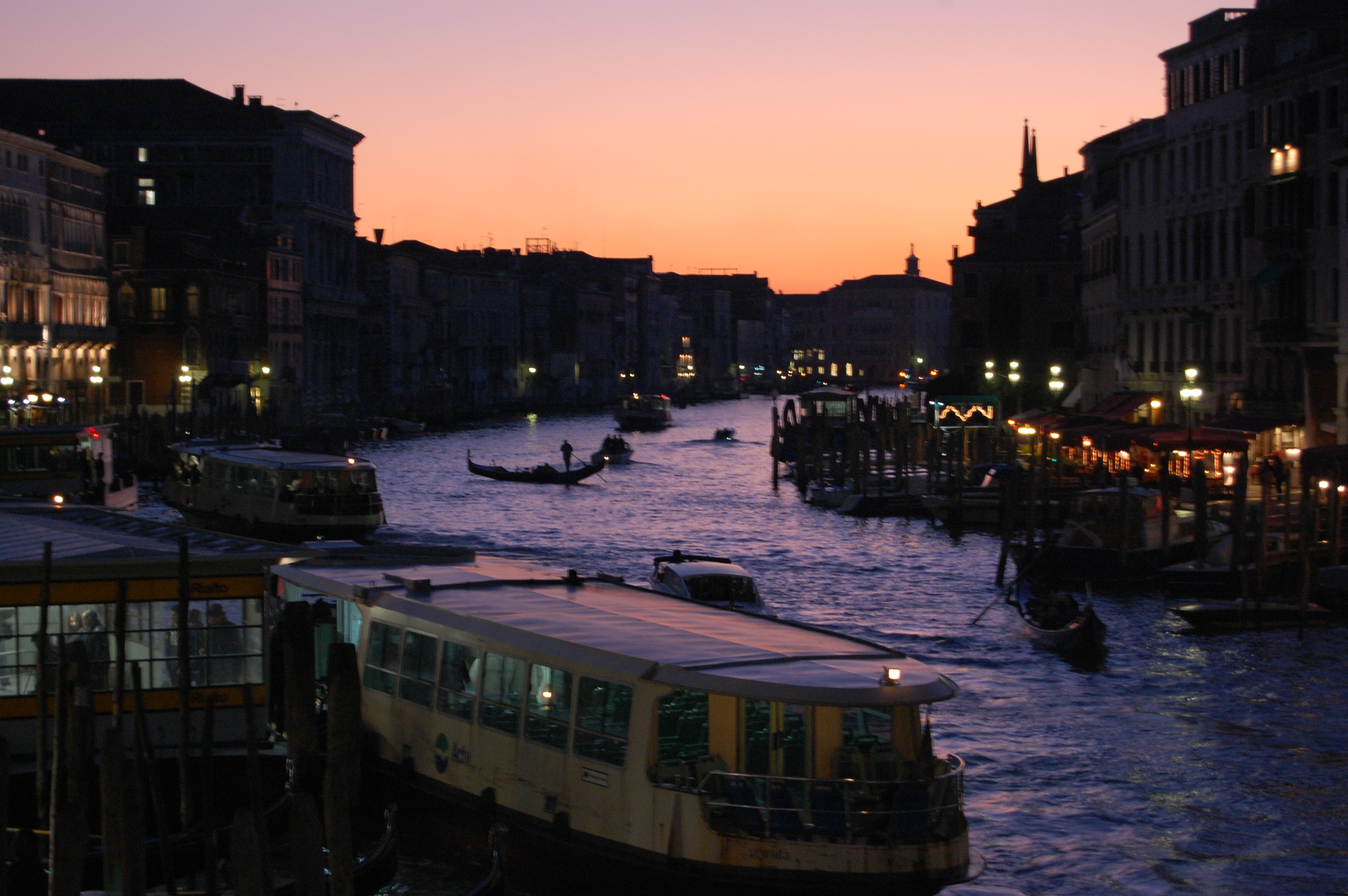

Most people who have been to Venice have been there in summer, which means they have been to Venice at its most crowded, most expensive, and least like itself. The winter version is different in every way: the fog off the lagoon in the mornings, the calli empty enough to hear your own footsteps, the bacari warm and full, the museums actually visitable. The next few months give a succession of reasons to be here, and we want to walk you through them.
The 61st Venice Art Biennale, titled In Minor Keys and conceived by the late curator Koyo Kouoh, closes on the 22nd of November. Kouoh, who died in May 2025, built the exhibition around quieter and more intimate work rather than spectacle, and the result is one of the more considered Biennales in recent memory. The national pavilions in the Giardini and the Arsenale are as varied as ever: Austria’s Florentina Holzinger has built a live performance installation involving the lagoon itself; Belgium’s Miet Warlop presents a living sculpture rebuilt by hand every single day of the exhibition; Peru has sent Sara Flores, the first Indigenous artist to lead the country’s Biennale presentation, working in the Shipibo-Konibo visual language of Kené. Beyond the main venues, the Biennale has mounted more than 80 off-site shows in palazzi and churches across the city, many of them far less visited than the Giardini and some of the most interesting work in the whole program. If you have been meaning to go and have not gone yet, the window closes on the 22nd of November.
One day before the Biennale closes, on the 21st of November, Venice observes the Festa della Madonna della Salute, one of the most important dates in the city’s calendar and one that almost no visitor outside Italy knows exists. A temporary votive bridge is built across the Grand Canal to the steps of the Basilica di Santa Maria della Salute, and Venetians cross it in their thousands to light candles in memory of the plague of 1630. Being in Venice for the final weekend of the Biennale and the Salute on the 21st is one of the better long weekends we can put together for anyone who cares about this city.
December brings a different character. The Christmas market runs through the month at Campo Santo Stefano, the Doge’s Palace and Museo Correr open extended evening hours from the 20th of December through the Epiphany, and on the same evening a procession of more than a hundred decorated boats travels down the Grand Canal in a tradition that is entirely local in spirit and worth watching from any bridge above. Teatro La Fenice, which burned twice and was rebuilt twice and remains one of the most beautiful opera houses in the world, stages its New Year’s program from the 29th of December through the 1st of January. Tickets go quickly and are worth planning for well in advance.
January brings the Béjart Ballet Lausanne to La Fenice from the 13th to the 17th, and then at the end of the month, Venice becomes something else entirely. The Carnevale di Venezia opens on the 27th of January and runs through the 9th of February 2027, and it is one of those events that is worth experiencing once properly rather than avoided on the grounds of crowds. The city in Carnival is genuinely extraordinary: the costumes in the Piazza San Marco on a Sunday afternoon, the masked balls in the historic palazzi, the sense of a city performing a version of itself that has been running since the Republic was alive. La Fenice opens Puccini’s Madama Butterfly on the 30th of January, which runs through the heart of Carnival into early February, and sitting in that theater during Carnival week is one of those evenings that does not have an equivalent anywhere else.
The Gallerie dell’Accademia, the Peggy Guggenheim Collection, and the Ca’ d’Oro are all quieter in these months than at any other time of year. The bacari near the Rialto, Cantina Do Mori and Al Mercà among them, are at their best in cold weather: a small glass of wine, cicchetti behind the glass counter, and no particular reason to be anywhere else. The restaurants of the Cannaregio and the Castello serve bigoli in salsa and sarde in saor and risotto nero in a way that makes the heat of July seem very far away.
Venice in winter calls for a hotel that gives you somewhere to return to at the end of the day, and in the cold months a spa matters in a way it simply does not in the summer months. These are the four properties we recommend most consistently.
The Gritti Palace sits on the Grand Canal in San Marco, in a 15th-century palazzo with one of the most iconic terraces in the city. In winter the terrace gives way to the warmth of the Sisley spa inside, with private steam baths, chromatic waterfall showers, and spa suites that are genuinely worth building an afternoon around. Canal-view rooms in the main palazzo look directly onto the water, and there is no better view from a Venice hotel window.
The Belmond Hotel Cipriani is on the island of Giudecca, five minutes by private launch from San Marco, and the distance is the whole point. The hotel has a heated saltwater pool, private gardens, and a spa named after Casanova that is known for its couples’ rituals. After a long day in the Giardini or the Arsenale, coming back to the quiet of the Cipriani is a different kind of ending to the evening than anything the main islands offer.
Aman Venice occupies the Palazzo Papadopoli in San Polo, a 16th-century building with only 24 rooms and a Tiepolo fresco in the main salon. The spa takes up the entire third floor and offers treatments built around Venetian traditions, including a signature foot ritual. The hotel arranges private boat access, after-hours museum visits, and Carnival experiences for guests who want to be properly inside the event. The rooms are among the largest in the city, and the staff-to-guest ratio ensures that nothing feels like an afterthought.
The Hotel Danieli, in a 14th-century Gothic palazzo on the Riva degli Schiavoni, is the most historically significant address in Venice. It does not have a spa, but its location puts everything in this newsletter within easy reach on foot: the Biennale venues, La Fenice, and the Arsenale are all under ten minutes. The rooftop restaurant and the restored interiors of the original Ca’ Dandolo building are worth the stay on their own terms.
Get in touch with The Italian Concierge and let us put Venice on your calendar before the year is out, or plan your Carnival trip for January.