

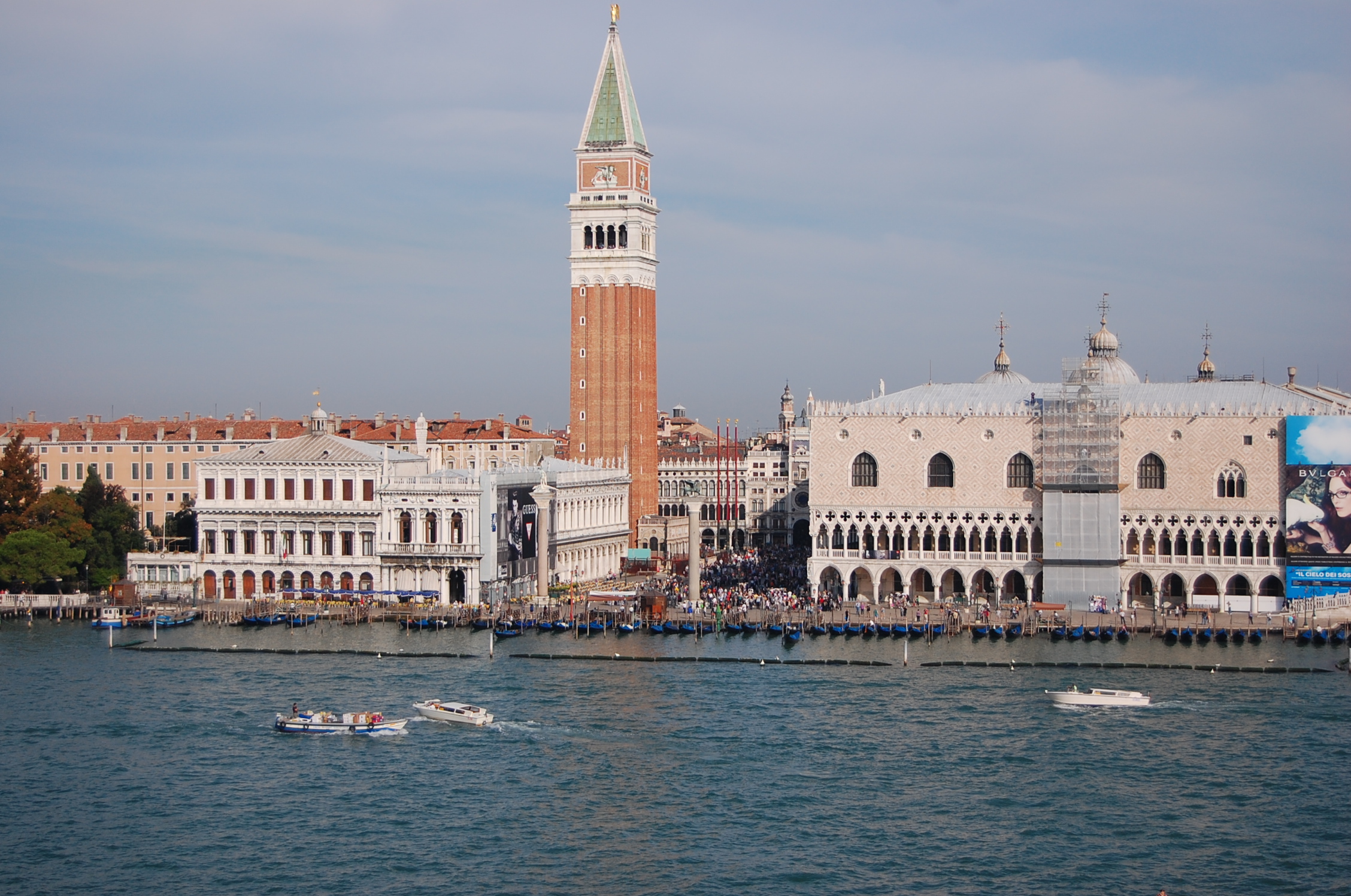

Organizing a trip to Italy can be challenging and a curated itinerary will help you get the best experience out of your time. Today we will tell you a bit about the Venetian Gastronomy: “only food” as one of our Luxury Italy Specialists will write about the wines another time.
Some of the plates that we will mention here may not be available on all restaurant menus, however you will still find a few of the classic Italian plantes such as : Tagliatelle Alfredo, Lasagna and Bolognese sauce, although not local dishes, are now wildly available on most restaurant menus.
WHAT IS CICCHETTI ?– WHAT IS A BACARO?`
“Cicchetti” are the local tapas in Venezia. They are usually served as a slice of bread with famous main course toppings, these are generally served with an aperitivo, for a light lunch or light dinner . To try Cicchetti you go to a “Bacaro” a kind of local Osteria where you often stand. Here you can also order from a large selection of wine by the glass, “vino al bicchiere” called “ombra”, in English “shadow” which in reality should be ½ glass.
Our private guide will share this insight and more during your Private Foodie Tour.
THE FOOD MARKETS OF VENICE
A visit to Rialto (also included in our Cooking Class experience) and San Polo markets will help you understand more about the “Veneziani” and their food. These locations have been markets for about 1000 years. Both are located near Rialto bridge and you can visit them on your own or on a guided tour. Venezia’s markets are full of local vegetables and fish. Some of the Laguna’s islands such as Sant’Erasmo still produce a large quantity of vegetables for local consumption.
LOCAL SPECIALTIES THE DIALECT and MUST TRY LOCAL DISHES


The local dialect in Venice is different from any other city of the region, you will find that in Venezia most of the food items are called differently. Yes, it is true that most dishes in Italy have tomato in them probably because tomatoes were imported from America around 1500 and since then Italians fell in love with it.
Local Specialties in Venice include Focaccia. In Venice Focaccia called (“Fugassa” ) and it is sweet, a super-soft cake similar to “panettone”; in most of Italy focaccia is a salty bread; in Venice go to Dal Nono Colussi, to try it : https://dalnonocolussi.com/ they have one of the best since 1954)
All over Italy clams ( are “Vongole” in Italian) but here they are called “peverassa” or “bibarassa” here.. and so on… so, if you are not sure what it is, ask. Artichokes, for example, in Italian “Carciofi”, are called “castrature”, “botoli” or “maste” here, depending on how ripe they are; apricots, “albicocche” in Italian, are called “baracocolo”;
You will need to make several trips to Venezia to experience it all. There are so many unique plates to try, but to get the sense of this unique gastronomy, read below and let’s start your virtual Food Tour of Venice:
Begin with some appetizers – “Sarde in saor”, sweet and sour sardines with vinegar and onions, the original recipe is dated around 1300 and was invented to keep the abundance of this fish edible for several days: delicious, a must – “Baccalà mantecato”, cod fish whipped with oil and spread on bread or polenta, very fishy and very good – Fish-balls or meat-balls. “Folpetti” (in Italian moscardini), basically a small octopus stewed and served with olive oil and lemon, sometimes available also in tomato sauce (“Folpetti in umido”). These are also very common as cicchetti. “Polenta e schie”, cornmeal with “schie” (in Italian “gamberetti”), tiny shrimps from the lagoon.
Let’s move on to the main courses; pasta and rice are common here like in all of Italy as “Primi Piatti” (first dishes): “Risi and Bisi” where “risi” is rice and “bisi” (in Italian “piselli”) is green beans – “Bigoli in salsa”, “bigoli” is a thick spaghetti and the sauce in this case (in most of Italy if you say sauce “salsa” is tomato) is made with onions and anchovies.
Despite the fact that the ingredients may have a different names, the “primi piatti” are similarly to the rest of the country and the recipes are based on local products, for instance: “Risotto” here is often made with radish (“radicchio”) or with “Amarone” (wine). “Pasta e fagioli” (pasta with beans), spaghetti with “granseola” (local crab), spaghetti with clams or “a la busara” (where the origin of the name “busara” is still undecided) and it’s basically made with scampi and tomato.
As “Secondi Piatti” (second or main course), probably one of the most famous dishes is “Fegato alla Veneziana” (liver with onion), followed by “seppie in umido” cuttle-fish stewed in tomato sauce, “Polenta e schie” cornmeal with “schie” (tiny shrimp – also found in some ciicchetti), fried mixed fish and “moeche”, crab from the lagoon with a soft shell. “Bisat” (in Italian “Anguilla”) eel stewed in tomato sauce.
The Italian ConciergeitalianconciergejoycefalconeEdit Profile
In the dessert section, Tiramisù is an absolute king here; there are several other typical sweets such as “frittole” (soft, round and fried) along with “Crostoli” (thin and crunchy, also fried) served during Carnevale. “Pinsa”, made with cornmeal and dry figs or “Zaleti/Zaeti” made with cornmeal and raisins.
SEASONAL DELICACIES TO TRY
On some restaurant menus from March to May, you might find “Asparagi alla Veneta”, a type of white and large asparagus served with a special cream made with boiled eggs, sometimes this dish is considered as a side dish or starter, however it could be a “secondo piatto” as well. Also “zucca” (pumpkin) will be found on the restaurant menues in autumn with risotto, gnocchi, tortelli or soup.
Let’s not forget that Venice is where “Carpaccio” was invented in 1950 by Giuseppe Cipriani, founder of Harry’s Bar; he prepared a dish for a friend, made of very thinly sliced raw meat, savored with lemon and olive oil; since then, “carpaccio” (named after Venetian painter Vittore Carpaccio) is in each Italian menu and indicates raw meat or fish or vegetable, thinly sliced and savored with a sour marinade.
Although we stipulated this would be only about food, we leave out something about the world-famous drink used as “aperitivo”: Spritz – The story is that the Military from the Austro-Hungarian Empire in Italy during the 19th century, felt that the wine served in the Bacari was too strong for the soldiers and they asked the host to “spritz” (from the German language “spritzen”), basically to spray, the “tocai”, a local white wine, with some sparkling water. Nowadays you can find it in several variations, such as with bitter spirit or prosecco.
So what are you waiting for, contact your trusted travel advisor The Italian Concierge to arrange your next luxury trip to Italy!
